

Piloting Master’s Programs Developed within the T-GREEN Project and Their Alignment with New Legislative Developments
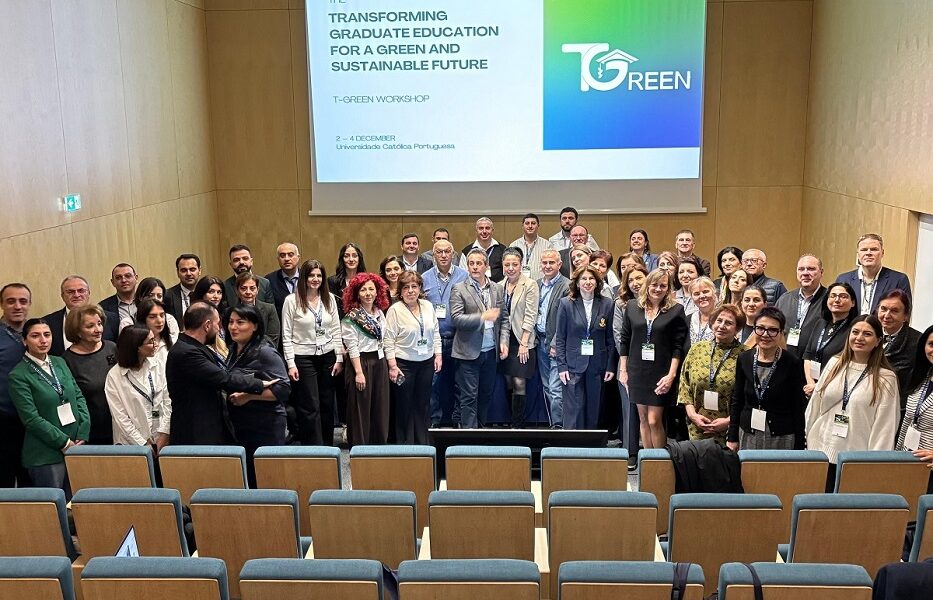
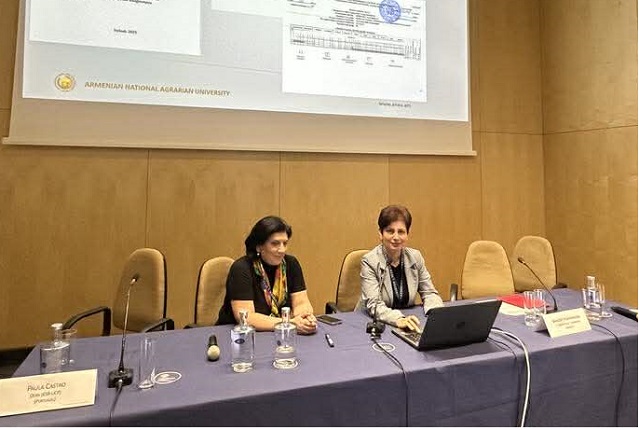
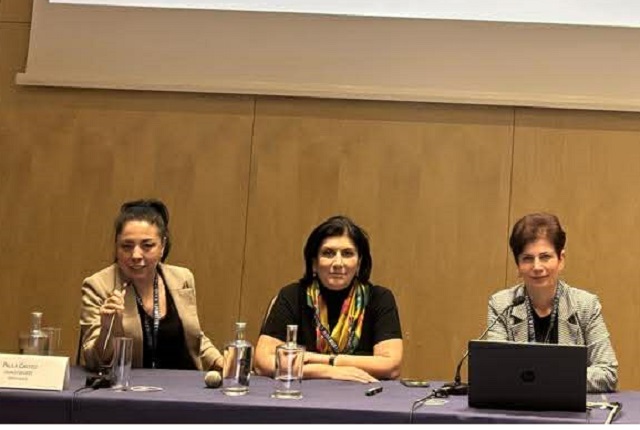
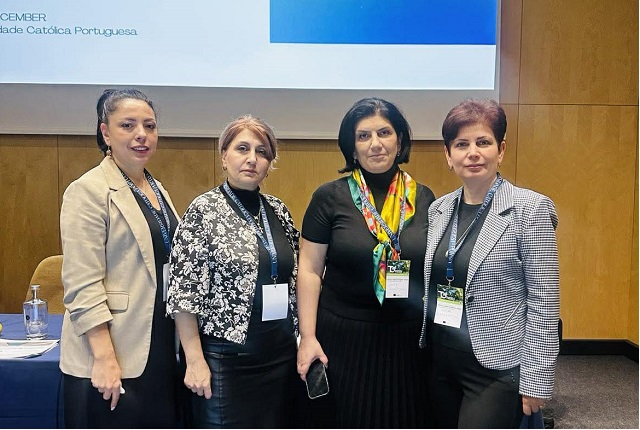
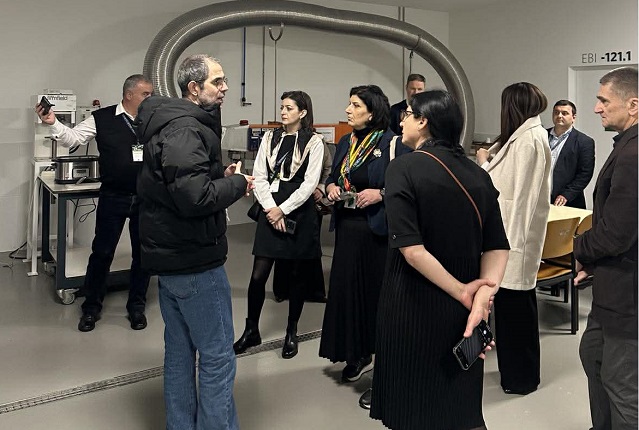
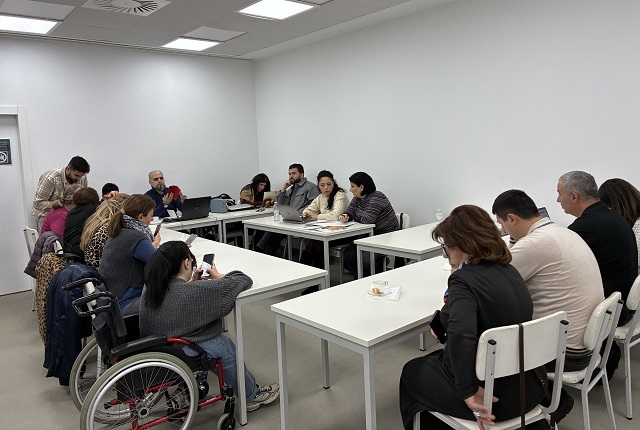
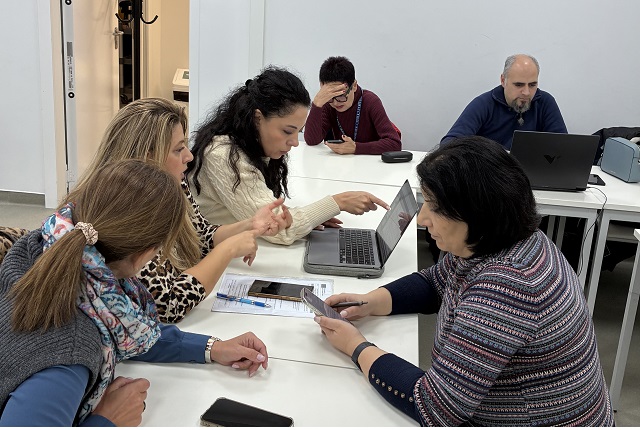
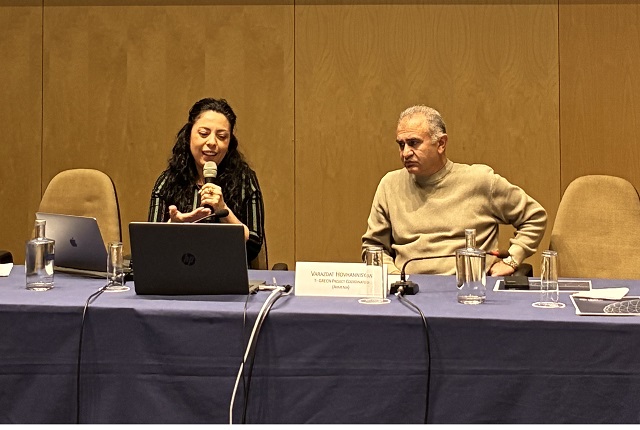
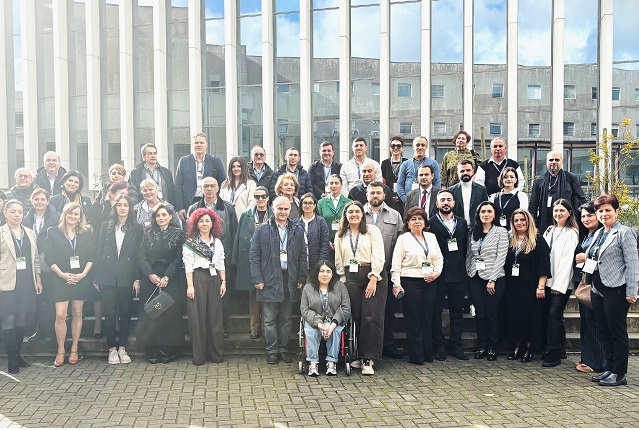
The closing milestone event of the “Transforming Graduate Education for Green and Sustainable Future” (“T-GREEN”) project — the Workshop for Discussing the Results of Pilot Functioning of Master’s Programs — took place on December 2–4, 2025, in Porto, at the Catholic University of Portugal. The workshop was attended by Lusine Mnatsakanyan, the ANAU coordinator of the T-GREEN project; project experts Mariam Movsisyan and Anna Dashtoyan; as well as financial officer Mariam Poghosyan.
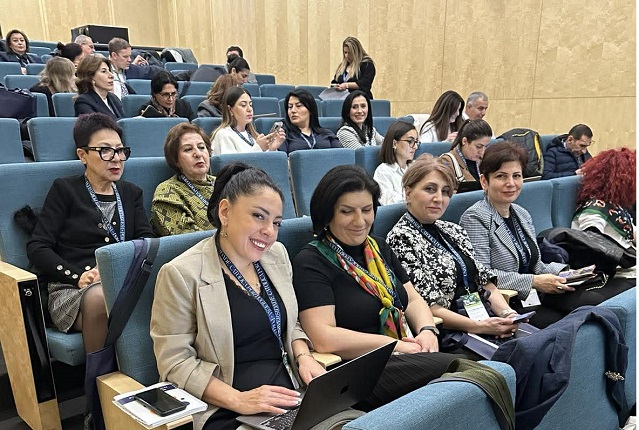
This three-day event brought together representatives of Armenian and European partner universities, as well as other consortium members, to discuss the results of the piloting of newly developed and reprofiled Master’s programs under the EU co-funded T-GREEN project, and to explore directions for their improvement and long-term sustainability.
The workshop officially opened with welcoming remarks from the Catholic University of Portugal and the Armenian project leadership. The speeches emphasized the strategic importance of modernizing postgraduate education within the vision of a green and sustainable future, and reaffirmed the consortium’s commitment to developing joint and multiple-degree programs.
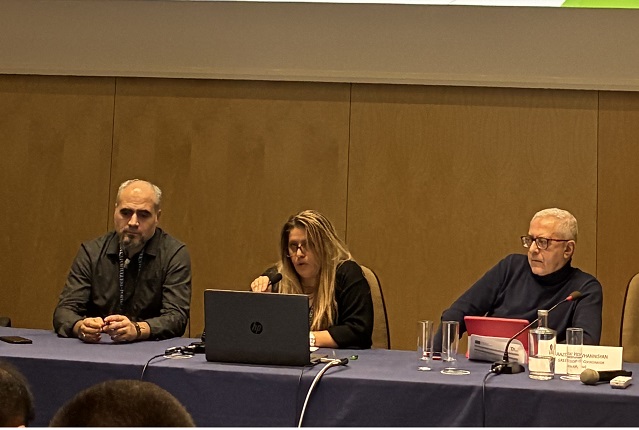
Representatives of the EU partner universities then presented an in-depth analysis of the legal framework, national legislation, and institutional procedures regulating joint, double, and multiple Master’s degrees in Portugal, Lithuania, Poland, and Greece.
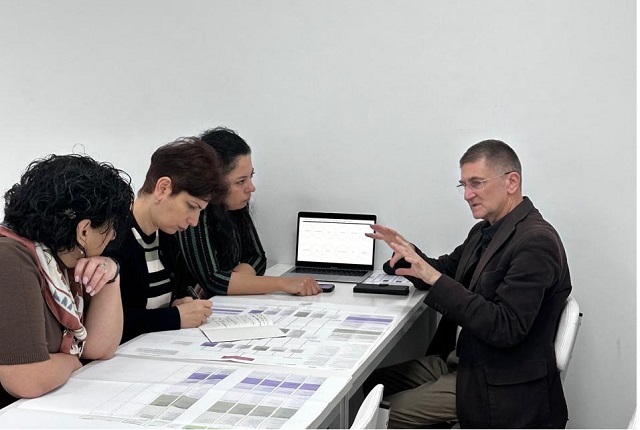
Armenian partner universities that had developed, reprofiled, and piloted the new Master’s programs in the fields of economics, agriculture, architecture, engineering, management, and information technologies presented the results of their first implementation cycle – both the achievements and the practical challenges that require further collaboration and capacity-building among universities.
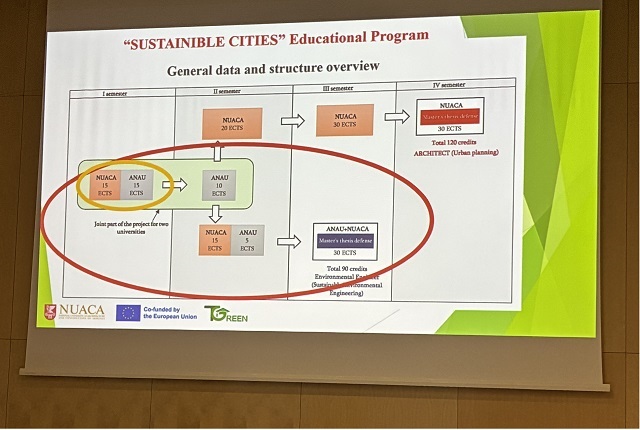
It should be noted that, by Order No. 1567-A/2 of the RA Minister of Education, Science, Culture and Sports, ANAU has received authorization to operate the Master’s programs “Strategic Management of Green Economy” and “Sustainable Cities and Green Technologies,” developed within the T-GREEN project. Additionally, within the project, the existing Food Technology Master’s program was revised to make it more “green”: certain modules were reprofiled, and the updated curriculum has been in effect since the 2025–2026 academic year.
The newly adopted RA Law “On Higher Education and Science” provides a comprehensive framework for joint Master’s programs, and representatives of the Higher Education and Science Committee presented the key amendments introduced by the law. At the same time, it was emphasized that the full implementation of the law requires the adoption of normative legal acts, and that the experience gained through the T-GREEN project may be particularly valuable for the development of such national regulatory documents. During the workshop, representatives of Armenian HEIs submitted a package of proposals for practical mechanisms to further implement joint degree programs.
The workshop concluded with an agreement on the dates and structure of the project’s final conference, which will be held in Yerevan on February 17–19, 2026.
Launched in 2023 and co-funded by the EU, the T-GREEN project aims to implement necessary reforms in post-baccalaureate education at universities, with special attention to “green” policies.
The Armenian participants of the T-GREEN project are: the National University of Architecture and Construction of Armenia (coordinator), Eurasia International University (co-coordinator), the RA Higher Education and Science Committee, Armenian National Agrarian University, Yerevan State University, Armenian State University of Economics, French University in Armenia, National Polytechnic University of Armenia, Goris State University, Gavar State University, the National Center for Quality Assurance, “Erasmus Student Network Yerevan,” and “Hope Bridge” NGOs.