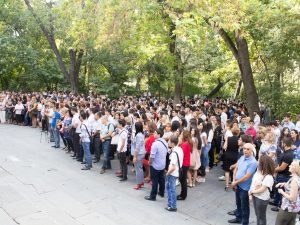


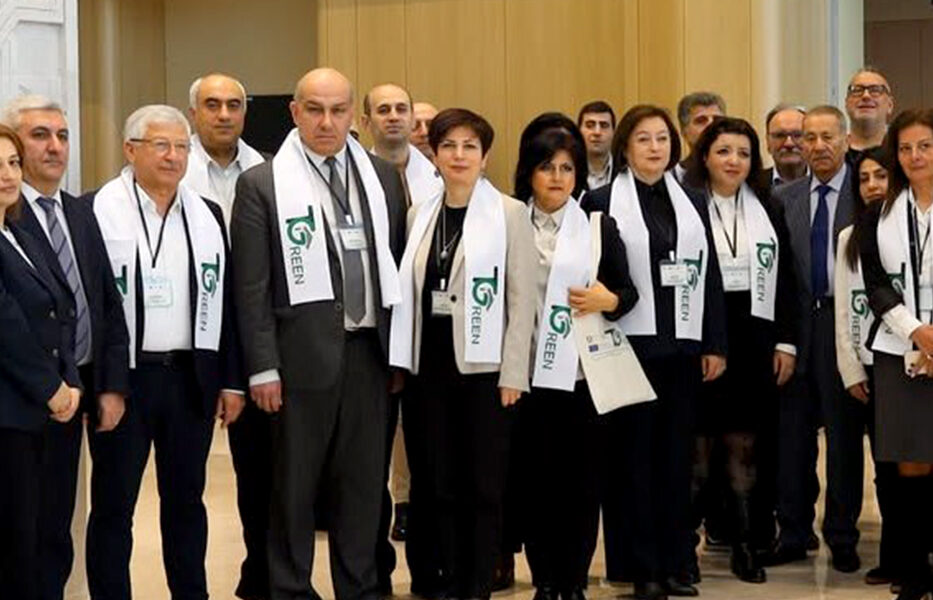
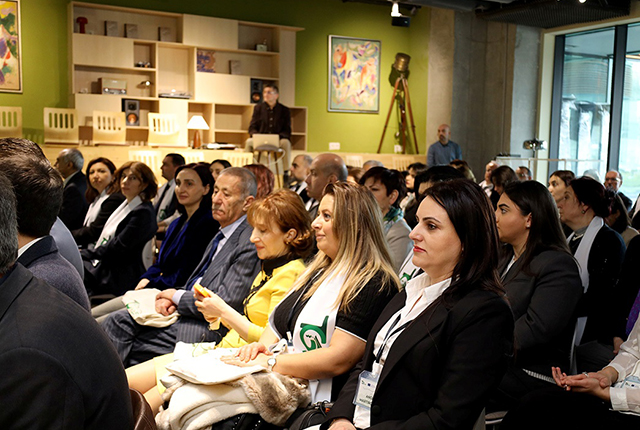
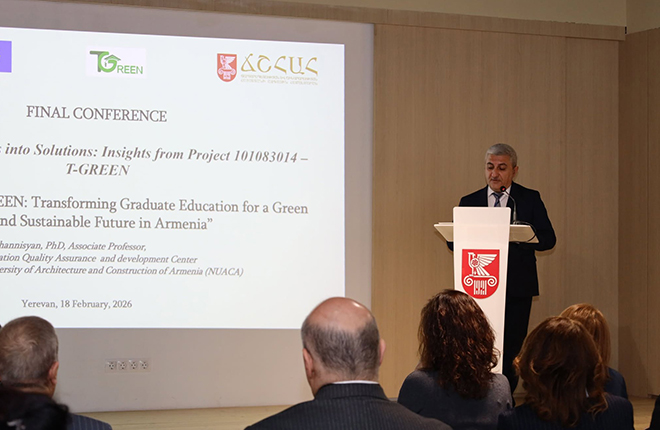
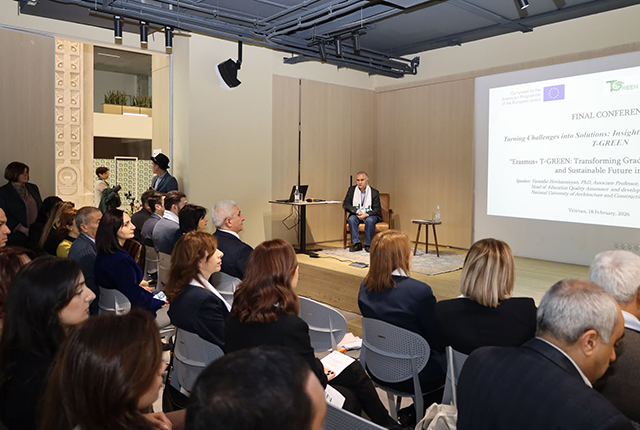
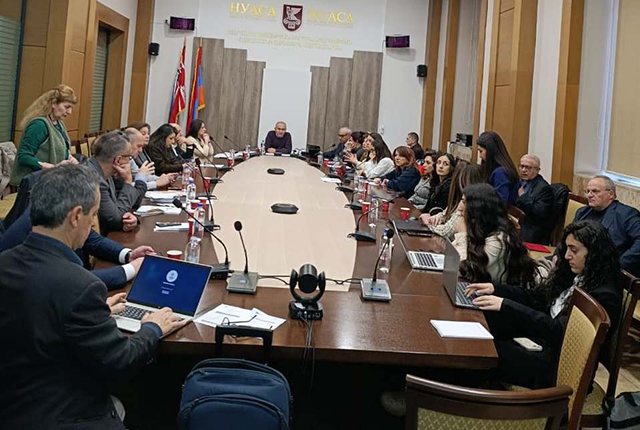
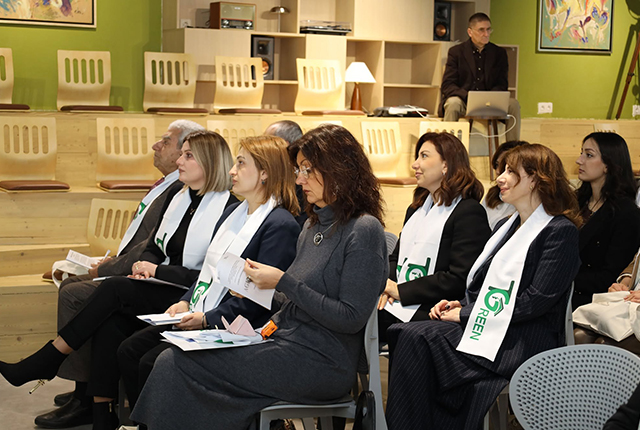
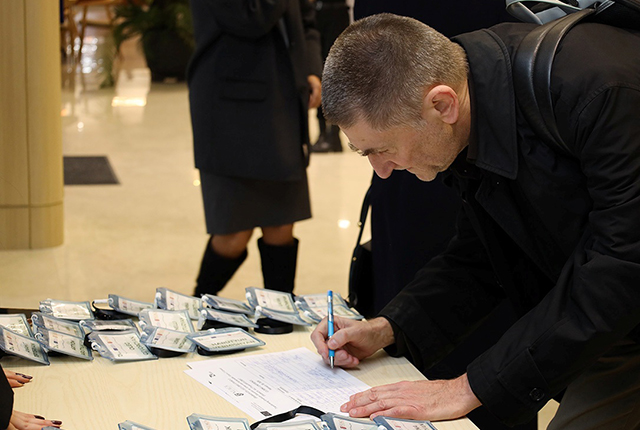
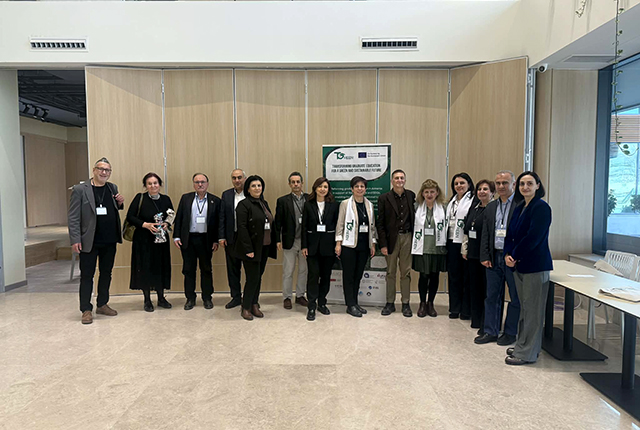
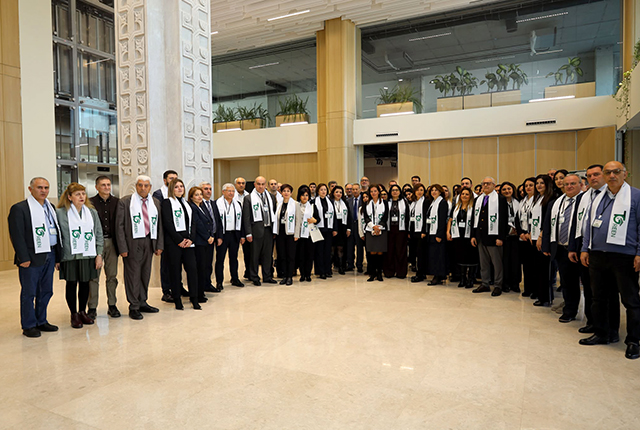
The closing conference of the three-year “Transforming Graduate Education for Green and Sustainable Future” (Erasmus+ T-GREEN) project, funded by the European Union, took place in Yerevan, summarizing the work carried out and the significant results recorded in the field of higher education.
The project aimed to promote the reform of university education in Armenia by encouraging the transition from traditional curricula to future-oriented, green, and interdisciplinary educational programs. Additionally, the project sought to raise the quality of education, expand international cooperation, and promote student mobility to ensure a competitive and modern educational environment.
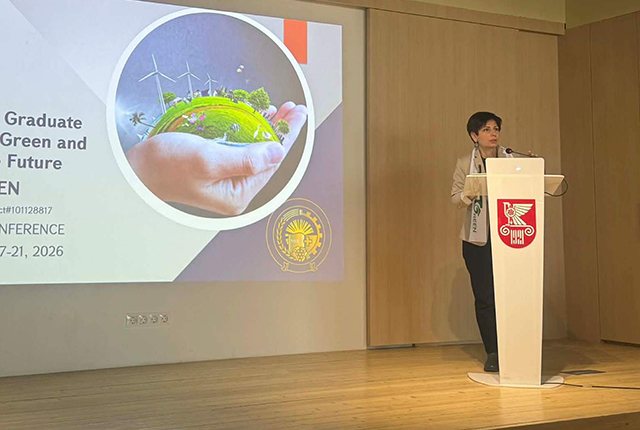
At the official opening of the final conference, Mrs. Susana Martins, representative of the Delegation of the European Union to Armenia, delivered a speech welcoming all participants and emphasizing the project’s importance for the development of the educational system. She congratulated everyone on the successful completion of the project, noting that despite many difficulties during implementation, visible results have been achieved and new opportunities for development have been formed.
Manuk Barseghyan, Rector of the National University of Architecture and Construction of Armenia, also delivered a welcoming speech, highlighting the significance of international cooperation in modernizing higher education. He noted that through the joint work of European and Armenian partner universities, new Master’s programs have been developed and are already being implemented to provide a modern education aligned with international standards. These programs aim to prepare specialists who can effectively respond to environmental, technological, and economic challenges, becoming knowledgeable and responsible leaders in their fields.
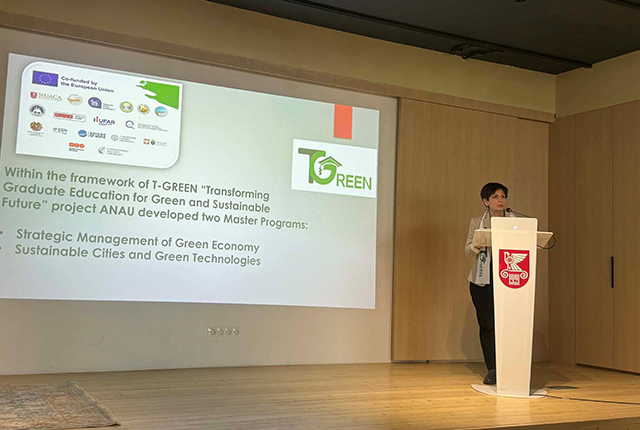
During the conference, representatives of partner universities presented the activities carried out within the framework of the “Transforming Graduate Education for Green and Sustainable Future” (Erasmus+ T-GREEN) project and the results obtained. In particular, 2 new master’s educational programs were developed at ANAU, and the ANAU Foundation has been granted a permit to operate the educational program 041301.42.7-“Strategic Management of Green Economy” within the 041301.00.7-“Management” specialty with a duration of 1.5 years and 071201.05.7-“Sustainable Cities and Green Technologies” within the 071201.05.7-“Environmental Protection” specialty. Under the project, the Food Technology Master’s program was also revised, and certain modules were reprofiled to make the existing curriculum “greener” (4 course syllabi were added with total of 21 credits).
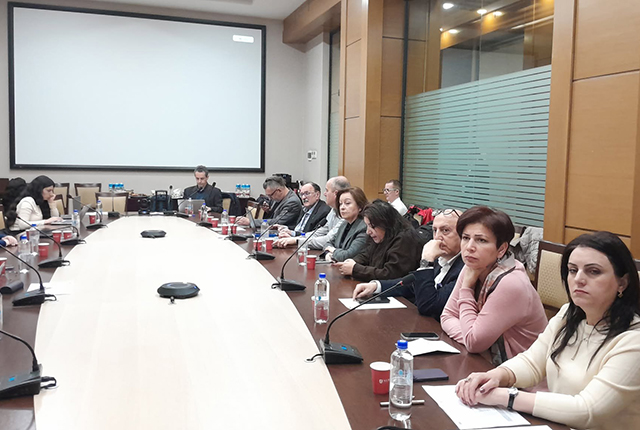
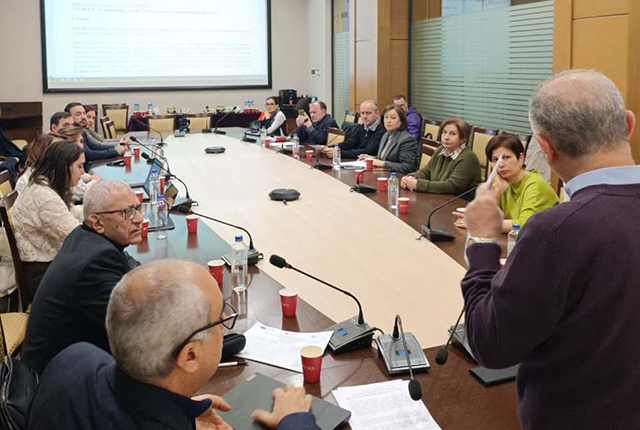
During the event, reports from work package leaders were also presented, covering capacity-building initiatives, the development of national documents for the sustainable development of education, project quality assurance and monitoring, as well as the dissemination, exploitation, and awareness-raising of project results. The general management of the project was carried out by the National University of Architecture and Construction of Armenia, while Eurasia International University served as the project management co-coordinator.
The conference was attended by Ani Virabyan, Head of the Higher Education and Science Department of the Higher Education and Science Committee of RA Ministry of Education, Science, Culture and Sport; Nune Petrosyan, Deputy Chair of the RA Urban Development Committee; rectors and representatives of partner universities; as well as representatives of
Armenian institutions and international partner universities. This included representatives of the National Center for Professional Education Quality Assurance led by Director Ruben Topchyan, the “Erasmus Student Network” and “Bridge of Hope” NGOs, and representatives from the Catholic University of Portugal, Mykolas Romeris University (Lithuania), and Jagiellonian University (Poland).
The conference served as an effective platform to present the results achieved within the project, strengthen international cooperation, and outline future paths for the development of higher education. The project made a significant contribution to the formation of modern, green, and sustainable Master’s education in Armenia, contributing to the preparation of a new generation of specialists capable of facing future challenges.
 Funded by the European Union. Views and opinions expressed are however those of the author(s) only and do not necessarily reflect those of the European Union or the European Education and Culture Executive Agency (EACEA). Neither the European Union nor the granting authority can be held responsible for them.